
How to Celebrate Mabon This Year
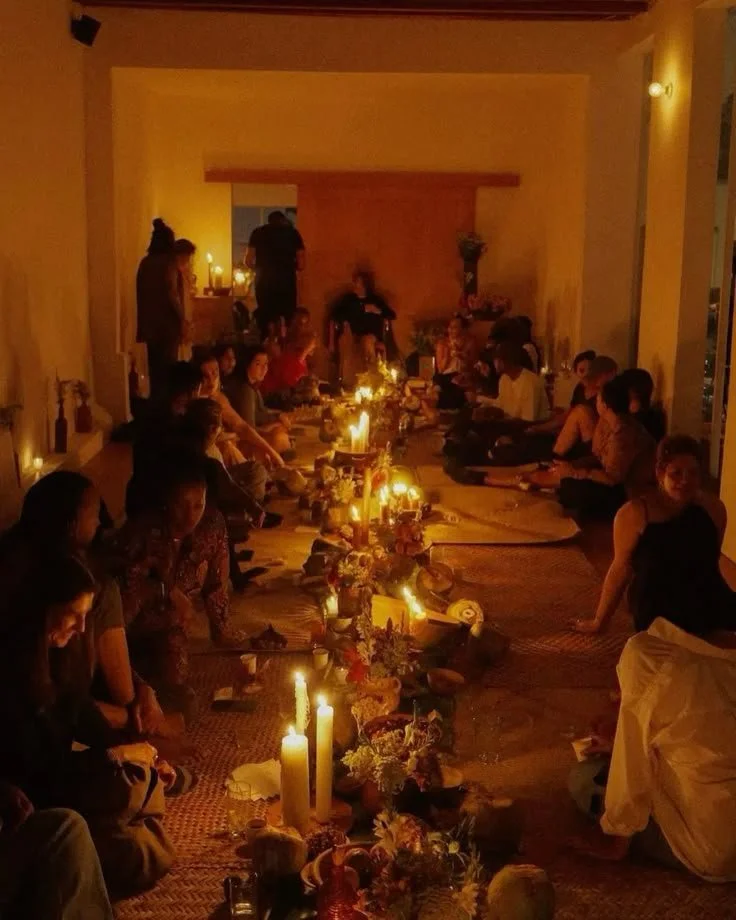
You know that feeling when the light changes and you can't quite explain why it hits differently? The sun's still out, but it's softer somehow. The evenings arrive a little sooner. There's a specific stillness in the air that wasn't there a few weeks ago.
That shift has a name, even if you've never used it. It's called Mabon, and this year it falls on the autumn equinox, Tuesday, September 22nd, the exact moment day and night sit in perfect balance before the dark half of the year begins to lean in.
If you've never celebrated Mabon before, that's completely fine. This isn't a holiday that requires any particular belief system, just a willingness to notice the season you're actually in and let that be reason enough to pause.
Here's what Mabon is, why it resonates with so many women right now, and how to mark it in a way that feels grounded rather than performative.
What Is Mabon and When Is It Celebrated?
Mabon marks the autumn equinox, the point in the year when daylight and darkness are nearly equal before the nights start stretching longer. It's the second of three harvest festivals on the Wheel of the Year, sitting between August's Lughnasadh and October's Samhain.
The name itself is younger than you might expect. It was coined in the 1970s by pagan writer Aidan Kelly, who borrowed it from Mabon ap Modron, a figure in Welsh mythology, as reporting on the holiday's history explains. Before that, the day was simply known as the autumn equinox. Kelly wanted a name that matched the Gaelic ones already used for the other seasonal festivals, so he gave this one a story to go with it.
Whatever you call it, the spirit of the day has stayed consistent for as long as people have farmed the land: the second wave of harvest is in, the light is starting to shift, and it's a good moment to give thanks before the slower, darker months arrive.
Why Mabon Feels Especially Meaningful Right Now
There's a particular kind of whiplash that happens every September. School starts, schedules tighten, and suddenly everyone is talking about pumpkin spice before summer has fully let go. Mabon offers something different. It asks you to slow down and actually notice the balance point you're standing on.
Day and night, equal for one moment before autumn takes over. It's a small, quiet invitation to check in with your own equilibrium too. What's felt balanced this year, and what's felt like too much? What are you ready to give thanks for, and what are you ready to let go of as the season turns?
That kind of reflection isn't just sentimental. Research on gratitude practices, including work from psychologists at UC Berkeley's Greater Good Science Center, has found that regularly noticing what you're thankful for measurably improves both wellbeing and physical health. You don't need a harvest altar or a single mystical bone in your body to benefit from that. You just need a few quiet minutes.
For anyone already drawn to slow living rituals, Mabon is one of the most natural moments in the year to build one in.
How to Celebrate Mabon This Year
You don't need anything elaborate to mark this day well. These are simple, grounded ways to celebrate Mabon.
Make a gratitude list. This is the heart of Mabon. Take ten minutes and write down what this year has given you so far, the good harvest and the hard-won lessons both. Keep it short. Five or six lines is plenty.
Cook a seasonal harvest meal. Apples, squash, root vegetables, late tomatoes. Build a dinner around whatever's actually in season near you right now, and let that be the whole point of the evening.
Find one thing to balance. Since Mabon marks the equinox, use it as a nudge to notice where your own life feels tipped too far in one direction. Work, rest, screen time, alone time. Pick one small adjustment you can actually make this week.
Gather people around a table. Harvest festivals have always been communal. A simple dinner with a few close friends, or a meaningful gathering at home, honors the spirit of the day far more than doing it alone.
Take a slow walk at golden hour. The light is changing fast this time of year. Step outside as the sun starts to lower and actually notice it, instead of catching it out of the corner of your eye on the way somewhere else.
Clear something out. Just as the harvest clears the fields, Mabon is a natural moment to let go of something that's run its course, a habit, a commitment, a pile of clutter you've been stepping around for weeks.
Light a candle at dusk. As the days shorten, this is one of the simplest ways to mark the balance between light and dark. Sit with it for a few minutes before you move on with your evening.
Mabon Traditions Around the World
Harvest festivals rooted in the same seasonal instinct show up across cultures, even under different names.
Harvest Home, England. Long before Mabon had its modern name, English farming communities celebrated the final gathering of crops with communal feasts and church services giving thanks for the season's yield.
Chuseok, Korea. Celebrated around the same time of year, this major holiday centers on family gatherings, ancestral gratitude, and sharing food from the fall harvest.
Mid-Autumn Festival, China and across Asia. Marked by mooncakes, lanterns, and gathering under the full moon closest to the equinox, this festival shares Mabon's themes of abundance, balance, and togetherness.
Bringing the Balance of Mabon Into Everyday Life
The real value in a day like Mabon isn't the ritual itself. It's what it does to your relationship with the season you're actually in. When you pause to notice the balance point, even for a few quiet minutes, you start paying closer attention to your own life's rhythm too. What's been asking for more of your energy. What's been quietly sustaining you without much credit.
This is the same instinct behind the art of slow mornings and practicing intentional living in everyday life. None of it requires a complete overhaul. Just a little more attention to the season you're standing in.
The light is shifting. Take a moment this week to notice what you're grateful for, and what you're ready to let go of.
Want more seasonal rituals like this delivered straight to your inbox? Subscribe to the Sisterly Newsletter and never miss a moment worth marking.
