
How to Practice Intentional Living in Everyday Life
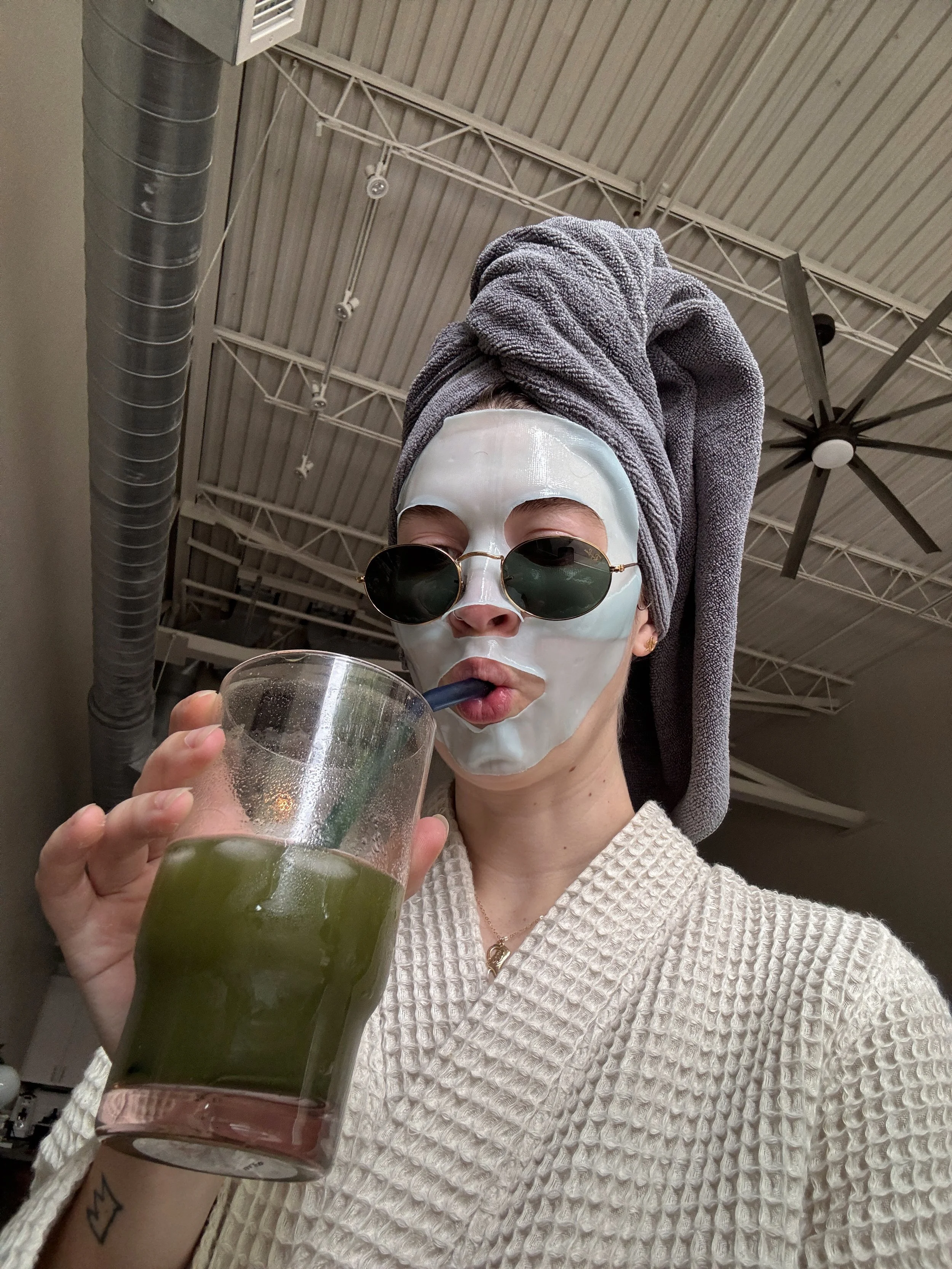
Source : Cora Pursley | Dupe
At some point, most of us have a moment where we look up from the blur of our days and think: how did it get to be November? Or Tuesday? Or somehow another year has passed and I'm not entirely sure what I did with it?
That feeling, of life moving faster than you can actually inhabit it, is one of the more unsettling parts of modern adulthood. And it tends to arrive not during the genuinely hard seasons, but during the ordinary ones. The ones where everything is technically fine but nothing feels particularly meaningful.
Intentional living is the quiet antidote to all of that. It's not a productivity system or a rigid morning routine or a list of habits to optimize. It's more like a decision, made repeatedly and imperfectly, to be actually present in your own life rather than just moving through it on autopilot.
Here's what that can look like in practice.
What Intentional Living Actually Means
Before anything else, it helps to clear up what intentional living isn't. It isn't minimalism, necessarily, although some people find that resonates. It isn't a specific aesthetic or a particular way of organizing your home or a certain kind of grocery shopping, although those things can be part of it.
At its core, intentional living is about making conscious choices that reflect what actually matters to you, rather than just defaulting to whatever is easiest, loudest, or most expected. It's the difference between filling your days and designing them.
Psychology research consistently finds that higher levels of mindfulness and sense of purpose are directly linked to greater happiness, lower anxiety, and reduced depression. Not because mindfulness is magic, but because presence, actually being in your life as it's happening, allows you to experience it more fully and make choices that feel more aligned with who you actually are.
Start With What You're Running On Autopilot
The first step in living more intentionally is noticing where you're not. Most of us have large swaths of our days that just happen, without any real decision-making behind them. The phone you pick up before you've fully woken up. The scroll that fills every spare minute. The plans you make out of obligation rather than genuine desire. The pace you keep because everyone around you is keeping it too.
None of these things are catastrophic on their own. But when most of your days are running on autopilot, you end up at the end of them feeling vaguely empty, like you were busy but not really there.
A helpful practice is to spend a week just noticing, without judgment, which parts of your day feel chosen and which parts just happen to you. That awareness alone tends to create small, natural shifts.
Slow Down Enough to Actually Taste Your Life
There's a reason slow living and intentional living are so often talked about in the same breath. Research on mindfulness and time perception shows that people who practice present-moment awareness consistently report that time feels fuller and more expansive, not because they have more of it, but because they're actually in it rather than rushing past it.
This doesn't require a complete lifestyle overhaul. It starts with the tiniest things. Making your morning coffee slowly and actually tasting it instead of inhaling it over your phone. Taking a route you've never walked before. Eating a meal without anything playing in the background. Sitting outside for ten minutes without an agenda.
These moments aren't wasted time. They're actually the point. And building slow rituals into your daily life is one of the most reliable ways to create a life that feels genuinely lived rather than perpetually rushed.
Get Clearer on What You Actually Value
Intentional living requires knowing what you're being intentional toward. And most of us, if we're honest, are operating from a vague mix of inherited expectations, social comparison, and cultural defaults rather than a clear sense of what we actually want our lives to feel like.
It's worth sitting with some honest questions. What makes you feel most like yourself? What do you consistently make time for even when you're busy, because it genuinely matters to you? What are you doing mostly because you think you should? What would you do with your time if you stopped optimizing for how it looks and started optimizing for how it feels?
You don't need a vision board or a five-year plan. You just need enough clarity to start making small choices that point in the right direction.
Be More Intentional About What You Consume
This is where the aspiring-crunchy-granola instinct tends to be genuinely useful, because it turns out that paying attention to what you put in and around your body is actually one of the most concrete expressions of intentional living.
What you eat, what you bring into your home, what you put on your skin, what you expose yourself to on your phone, all of it is a choice, even when it doesn't feel like one. Living more intentionally in this space doesn't mean perfection or purity. It means choosing with more awareness.
Read the ingredient list occasionally. Buy from makers whose values align with yours when you can. Choose quality over quantity in your home. Spend a little more time outside and a little less time in front of a screen. These aren't moral imperatives. They're just small expressions of caring about your own wellbeing and the world you're part of.
Protect Your Time Like It Matters
One of the most practical expressions of intentional living is learning to say no, or at least not automatically yes, to things that don't genuinely serve you. This is harder than it sounds in a culture that treats busyness as a virtue and availability as a form of love.
But research on what psychologists call "time affluence", the felt sense of having enough time, consistently shows that this feeling is more strongly linked to wellbeing than actual free time. You can be objectively less busy and still feel rushed if you're filling your hours with things that don't matter to you. And you can have a genuinely full life and feel spacious inside it if your time is spent on things you've actually chosen.
Protecting your time looks like leaving white space in your calendar on purpose. It looks like not filling every quiet moment with stimulation. It looks like deciding, consciously, what gets a yes before something arrives to demand it.
Build Rhythms and Rituals That Ground You
Intentional living isn't about making grand declarations. It's about the small, repeated choices that gradually shape a life. And one of the most powerful ways to support those choices is through rhythm and ritual.
A morning that starts slowly before the demands begin. A weekly practice, cooking something from scratch, tending a garden, taking a long walk, that reconnects you to a pace that feels human. An evening that actually winds down instead of trailing off into screens. A weekly or monthly gathering with people who nourish you.
The kind of intentional social life that comes from building a slower, more intentional social life is itself a form of intentional living. Who you spend time with, and how, shapes your inner life more than almost anything else.
Let Go of Performing Your Life
Here's one that doesn't get said enough: a lot of what passes for modern wellness culture is actually just a more aesthetically pleasing version of the same performance anxiety we're trying to escape. The perfectly curated slow morning. The beautiful produce haul. The artfully arranged home.
None of that is bad. But intentional living is an inside job. It's not about what your life looks like. It's about what it feels like from the inside.
The most intentional people I know aren't the ones with the most beautiful homes or the most optimized routines. They're the ones who seem genuinely present in their own lives. Who make choices that are clearly theirs. Who don't seem to be living for an audience.
That quality, of being actually in your life rather than performing it, is available to everyone. It doesn't require a certain income or a certain aesthetic or a certain number of followers. It just requires paying attention, and then making even one small choice today that reflects who you actually want to be.
Intentional Living Is a Practice, Not a Destination
You won't arrive at intentional living one day and then be done. It's more like a direction than a destination. A daily, imperfect practice of noticing, choosing, and showing up more fully to the life you actually have.
And when you drift, which you will, because everyone does, you just notice and begin again. That's the whole thing, really. The way you design your days is the way you design your life, and the good news is that you can always start again, right here, with whatever this moment is offering.
