
What Is Lughnasadh And How To Celebrate It This Year
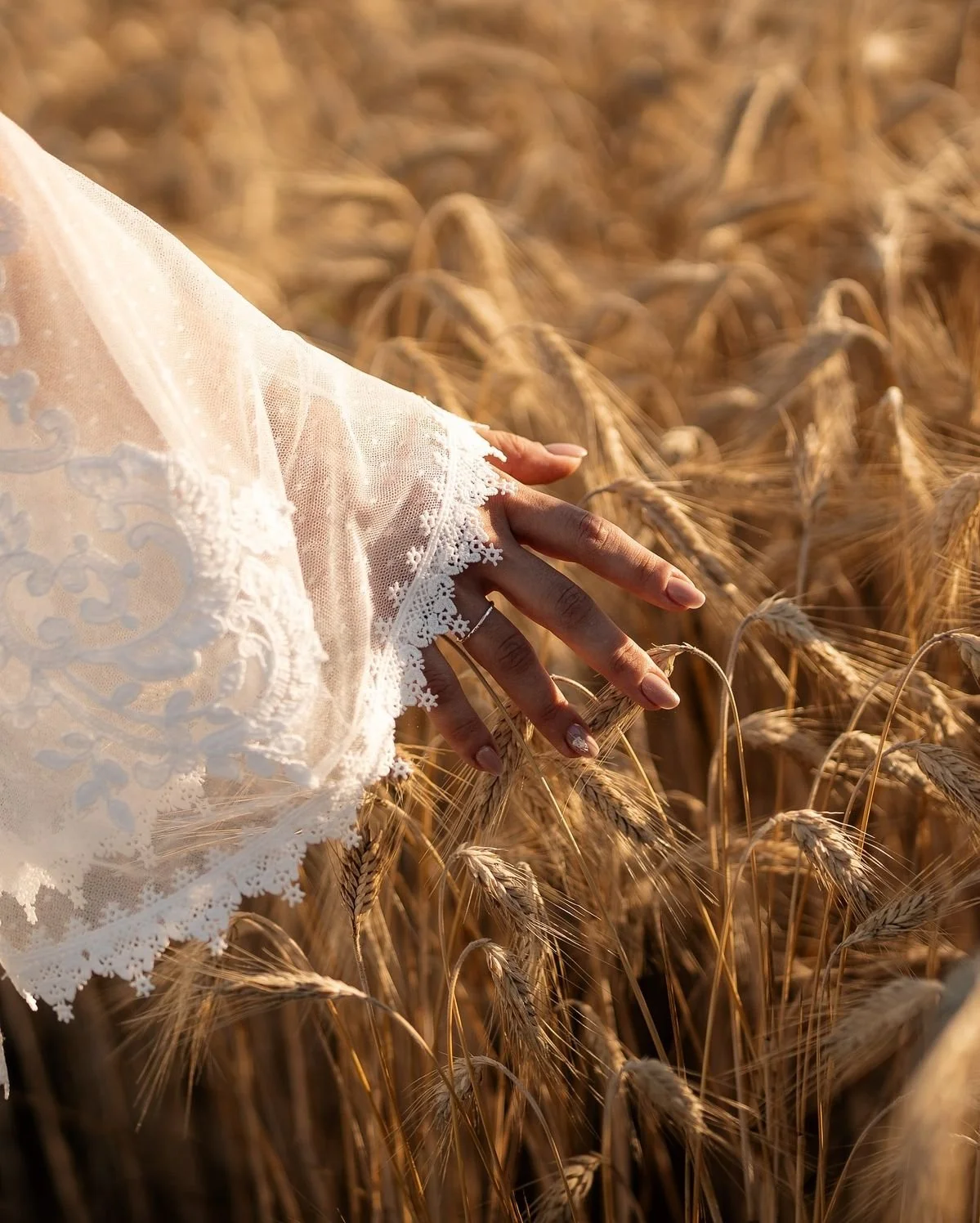
You've probably felt it without having a name for it. The tomatoes finally coming in thick on the vine. The farmers market suddenly overflowing with corn and peaches. That first morning where the light feels a little more golden and a little less relentless than it did in July.
That shift has a name, and it's older than almost anything else on the calendar. It's called Lughnasadh (pronounced LOO-nuh-sah), and it falls on August 1st, right in the middle of summer's last stretch and the quiet turn toward autumn.
This year, Lughnasadh lands on Saturday, August 1st, 2026. And if you've never celebrated it before, that's completely fine. This is one of those seasonal moments that doesn't require any particular belief system, just a willingness to notice what the earth is doing and let that be reason enough to pause.
Here's what Lughnasadh actually is, why so many women are drawn to it right now, and how to celebrate it in a way that feels grounded rather than performative.
What Is Lughnasadh and When Is It Celebrated?
Lughnasadh is an ancient Gaelic festival marking the beginning of the harvest season, traditionally celebrated on or around August 1st. It sits at the midpoint between the summer solstice and the fall equinox, making it one of four Celtic "cross quarter" festivals, alongside Samhain, Imbolc, and Beltane.
The name comes from Lugh, a figure in Irish mythology associated with skill, craftsmanship, and the sun. According to Britannica, the festival was celebrated as the feast of the marriage of the god Lugus, and it also marked the harvest. In later centuries, it was folded into the Christian calendar as Lammas, or "loaf mass," a day when the first bread of the season was blessed.
However you mark it, the core idea has stayed remarkably consistent for thousands of years: the growing is done, the first fruits are in, and it's time to pause and take stock before the real work of the harvest begins.
Why Lughnasadh Feels Especially Meaningful Right Now
There's something quietly disorienting about how fast August tends to move. School supplies show up in stores before the pool has even closed for the season. Everyone starts talking about fall before summer has technically ended. Lughnasadh pushes back against that rush.
Instead of skipping ahead, it asks you to stop and notice exactly where you are. What have you grown this year, literally or otherwise? What's actually ready to be gathered in? What still needs more time?
That kind of pause matters more than we tend to give it credit for. A growing body of research on nature-based rituals and seasonal awareness points to real psychological benefits from staying attuned to the natural world, including reduced stress and a stronger sense of meaning. You don't need a garden or a single mystical bone in your body to benefit from that. You just need to be willing to look up.
For anyone already drawn to a more intentional way of living, Lughnasadh is one of the most natural places to start building a seasonal rhythm.
How to Celebrate Lughnasadh This Year
You don't need a farm, a coven, or a single prop to celebrate Lughnasadh well. These are simple, grounded ways to mark the day.
Bake something with your hands. Bread is the oldest Lughnasadh tradition there is. You don't have to make a loaf from scratch if that's not your thing. A batch of cornbread, a simple focaccia, even banana bread counts. The point is the act of making something with your hands and then sharing it.
Visit a farmers market or a farm stand. This is the most literal way to connect with the idea of "first fruits." Go pick out whatever looks best right now, corn, tomatoes, peaches, berries, and build a meal around it. Let the season, not a recipe, decide what's on your table.
Take stock of what you've grown this year. Not a garden necessarily. A project, a friendship, a habit, a version of yourself you've been working on. Lughnasadh sits at the halfway point of the year's slow turn, which makes it a natural moment to ask what's actually ready to be harvested and what still needs more time in the ground.
Gather people around a table. Harvest festivals have always been communal. A simple dinner outside, a potluck with whatever everyone brought from their own gardens or grocery runs, or an evening with close friends over good food all honor the spirit of the day.
Make a small offering to the season. This can be as simple as leaving flowers or herbs outside, lighting a candle at dusk, or writing down one thing you're grateful the summer gave you. There's nothing complicated required here. Just a moment of acknowledgment.
Get outside while the light is still generous. The days are starting their slow shorten now, so this is a good week to take a long walk, eat a meal outdoors, or watch the sunset a little more attentively than usual.
Let go of something. Just as the harvest requires clearing the field for what comes next, Lughnasadh is a natural moment to release something that's run its course, a habit, a grudge, a project that isn't serving you anymore. Write it down. Burn it if you have a safe way to, or simply throw it away.
Lughnasadh Traditions Around the World
If you want to see the festival celebrated on a larger scale, a few traditions are worth knowing about.
Puck Fair, Ireland. Held every August in Killorglin, County Kerry, this three-day festival is one of Ireland's oldest and is widely believed to descend from ancient Lughnasadh gatherings, complete with music, a horse and cattle fair, and a wild goat crowned "King Puck" for the occasion.
Reek Sunday, Ireland. Thousands of pilgrims climb Croagh Patrick in County Mayo on the last Sunday in July, a Christian pilgrimage layered directly on top of what was once a pagan hilltop harvest tradition.
Lammas celebrations, England and Scotland. Church services blessing the season's first bread, alongside community harvest fairs, keep the loaf-focused side of the festival alive across parts of Britain.
Bringing the Harvest Spirit Into Everyday Life
The real value in marking a day like Lughnasadh isn't the ritual itself. It's what it does to your relationship with time. When you pause to notice the harvest, even a small, ordinary one, you start paying closer attention to your own life's natural rhythms too. You notice what you've actually built this year instead of only what's still left to do.
This is the same instinct behind slow living rituals and the kind of small daily habits that make life feel more connected. None of it requires a complete overhaul of your life. Just a little more attention to what season you're actually in.
If gathering people together is part of how you want to mark the day, our guide to 12 meaningful ways to celebrate your friends has plenty of ideas that pair naturally with a harvest table.
The first harvest is here. Take a moment this week to notice what's ready to be gathered in.
Want more seasonal rituals like this delivered straight to your inbox? Subscribe to the Sisterly Newsletter and never miss a moment worth marking.
