
The Soft Summer Aesthetic Without the Consumerism
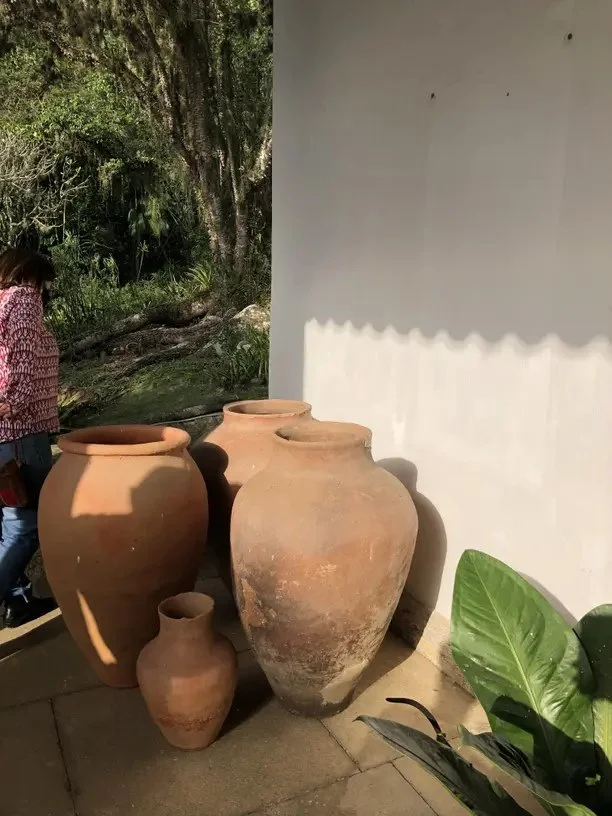
Source: Rita Gonçalves | Dupe
If you've spent any time on the softer corners of the internet lately, you know the aesthetic; linen dresses, dewy skin, farmers market bouquets, iced coffee in the golden hour, slow mornings that look like they were art-directed. Everything is colored cream and terracotta and warm and beautiful and suggesting that if you just bought the right things, your life would feel exactly like that.
Here's the thing though. The soft summer aesthetic, at its actual heart, has nothing to do with buying anything. It got hijacked by consumerism, the way every beautiful idea inevitably does, but the original impulse was never about products. It was about a feeling. Ease. Presence. The gentle quality of a summer day where you're not rushing anywhere and nothing is being optimized.
And that feeling? It's completely free.
Research from the University of Texas at Austin published in the Journal of Experimental Social Psychology found across multiple studies involving more than 7,000 participants that people consistently derive more happiness from experiences than from material possessions, both in the moment and in memory. The soft life, at its best, has always been about the experiences. The purchases were never the point.
So here's how to have the whole aesthetic, the feeling, the beauty, the slowness, without making it a shopping list.
Start With What You Already Own
The most radical thing you can do in a culture that profits from you feeling like you don't have enough is to look at what you already have and decide it's enough.
Go through your wardrobe before you buy a single new summer piece. There’s a chance you already own the linen shirt, the sundress, the simple sandals. Try things on. Re-meet your own clothes. Style what you already have in new combinations before you decide you need anything new.
The "soft summer wardrobe" you're picturing probably requires zero new purchases. It requires a Sunday afternoon, good light, and a willingness to be creative with what's already in your closet.
Swap the Haul for the Farmers Market
Here's the reframe: instead of buying new things to create a soft summer aesthetic, redirect that energy toward spending on experiences and small sensory pleasures that are consumed rather than accumulated.
A $12 bouquet of dahlias from a farmers market does more for the feeling of your home than a $90 decorative object. A bag of peaches you eat over the next three days is a genuine sensory pleasure. Fresh herbs in a glass of water on your windowsill is beautiful and costs almost nothing.
The farmers market is one of the most anti-consumerist places you can spend money because everything there is perishable, local, and goes directly to the person who made or grew it. You get the beauty, the pleasure, the sensory richness of the aesthetic without acquiring a single thing that will sit in your home and eventually end up in a landfill.
Use What You Have Until It's Actually Gone
One of the quietest and most powerful ways to opt out of overconsumption is to use things all the way down. The lotion until you have to cut the tube open or the notebook until the last page.
The #underconsumptioncore movement that emerged on TikTok in 2024 was built entirely around this idea, and it resonated with millions of people because it named something that had been bothering us for a while: we don't finish things anymore. We replace before things are gone, upgrade before things are broken, acquire before we've used what we already have.
Using things fully is not deprivation. It's a kind of respect for the object, the resources it took to make it, and your own ability to find richness in the ordinary.
Make Beauty From What's Already Around You
The soft summer aesthetic is full of things that nature makes for free and that no product can replicate.
The light just before sunset. The smell of warm grass after rain. The sound of a fan in a quiet room. The feeling of bare feet on cool tile. A window open to the morning air. A glass of water with ice and mint.
None of this costs anything. All of it is available to you this summer if you slow down enough to notice it. That's the actual practice, not acquiring the right objects but learning to register the beauty that's already there.
Borrow, Swap, and Thrift Before You Buy
When you do genuinely need something, make buying new the last option rather than the first.
Borrow from a friend. Swap with your sister. Check a thrift store or a secondhand app before you open a new browser tab. The soft summer dress you're picturing exists somewhere on a thrifting app right now, probably for $7, worn twice and in perfect condition.
Buying secondhand keeps things in circulation rather than in production, which matters enormously from an environmental standpoint, and it also just makes the find feel more meaningful. The things you hunt for a little are the things you actually appreciate.
Invest in Experiences, Not Objects
When you do spend money this summer, spend it on things you'll live rather than things you'll own.
A concert. A day trip somewhere you've never been. A dinner somewhere special with people you love. A cooking class. A kayak rental. A ferry ride just to feel the water. Research consistently shows that experiences create more lasting happiness than possessions because they become part of your memory and identity in a way that objects simply don't. The soft summer you'll remember in ten years is the one made of moments, not things.
Create Rituals That Cost Nothing
The most aesthetic thing you can do this summer is build a few small rituals that make ordinary days feel intentional and beautiful. And the best ones are almost entirely free.
Watching the sunset from the same spot each week. Making iced tea from scratch on Sunday mornings. Keeping a small vase of wildflowers on your kitchen table, refilled whenever you walk past something growing. Eating dinner outside when the evening is warm enough. Lighting a candle you already own while you wind down at night.
Slow living rituals are not about owning the right things. They're about showing up for your own life with enough presence and intention to make the ordinary feel beautiful. That's the whole thing. That's always been the whole thing.
Stop Following Accounts That Make You Feel Like You're Missing Something
This one is structural and it matters more than any individual purchase decision.
The algorithm is very good at making you feel like your life is lacking something that can be fixed with a product. It shows you beautiful images of things you don't own, in homes you don't live in, worn by people with resources and aesthetics very different from yours, and your nervous system reads it as a gap between where you are and where you should be.
Unfollowing accounts that consistently make you feel like you need more is not a small act. It's one of the most direct ways to interrupt the cycle of aesthetic desire that consumerism depends on. Replace them with accounts that show slow, real, ordinary beautiful life. They exist. They feel completely different.
Let Your Summer Be Enough as It Is
Here's the truth underneath all of this: the soft summer aesthetic became popular because it pointed at something real. People are genuinely craving more ease. More beauty. More presence. More of the feeling that their life is actually being lived rather than constantly being prepared for.
But you can't buy that feeling. You can only create the conditions for it, by slowing down, by noticing what's already there, by choosing experiences over objects, by making space in your days for pleasure that doesn't require a purchase.
The softest summer you can have is the one where you stop trying to acquire it and start actually living it. You already have almost everything you need.
