
How to Live More Sustainably Without Spending More Money
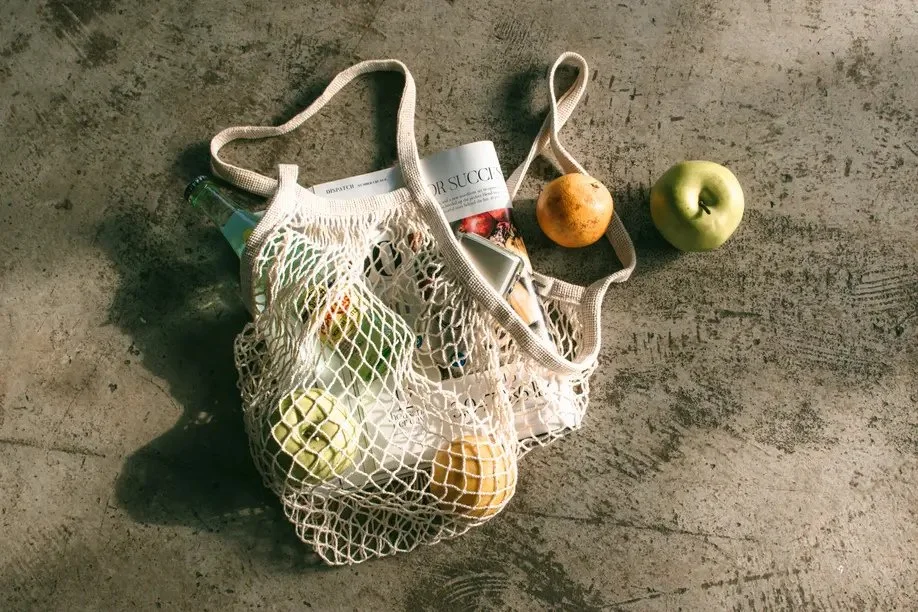
Source: Rin Owen | Dupe
Here's something capitalism doesn’t want you to know about sustainable living: most of it is free. Or cheaper. Or both.
The eco-friendly life that gets sold to us online involves linen everything, bamboo toothbrushes, expensive refillable cleaning concentrates, and a capsule wardrobe that costs more than a month's rent. And while some of those things are genuinely worthwhile, they're not the point. They're not even close to the point.
The most impactful sustainable habits don't require buying anything. They require doing less. Wasting less. Using what you already have. Choosing differently rather than choosing more. And in most cases, living more sustainably actually puts money back in your pocket rather than taking it out.
Here's where to start.
Stop Wasting Food (This One Alone Could Save You Thousands)
This is the single highest-impact sustainable habit most households can build, and it's also one of the most direct financial wins available to you.
According to the EPA's most recent report, food waste costs the average U.S. consumer $728 per year. For a household of four, that number climbs to $2,913, which is nearly $56 worth of food thrown away every single week. Over a third of the American food supply never gets eaten at all.
Reducing your household food waste doesn't require a system or a special app. It requires a few simple shifts: meal planning before you grocery shop so you only buy what you'll actually use, storing things properly so they last longer, cooking with what's already in the fridge before buying more, and getting comfortable with using up scraps and odds and ends instead of letting them go bad.
Start by doing one fridge check before every grocery run. Just that one habit can meaningfully reduce what you throw away, and you'll feel it in your budget almost immediately.
Buy Less, Buy Better, Buy Secondhand
The fashion industry is one of the most resource-intensive on the planet, consuming enormous amounts of water, energy, and labor to produce clothing that most people wear only a handful of times before it ends up in a landfill.
The most sustainable wardrobe is the one you already have. Use it fully before buying anything new. Then, when you do genuinely need something, check a thrift store, a secondhand app, or a friend's closet swap before you open a new browser tab. You'll almost always find what you're looking for for a fraction of the price, and you're keeping something out of landfill and out of the production cycle at the same time.
Buying secondhand and choosing quality over quantity isn't a sacrifice. It's one of the most satisfying shopping habits you can build, and it's genuinely better for your bank account, your home, and the planet.
Unplug Things You're Not Using
This one sounds almost too small to bother with, but the numbers are real.
According to Conservation International, almost 10% of the average energy bill goes toward "phantom power," the electricity that devices consume even when they're switched off but still plugged in. TVs, chargers, coffee makers, game consoles. All of them drawing power around the clock.
Unplugging devices when you're not using them, or using a power strip you can switch off with one click, costs nothing and can meaningfully reduce your monthly energy bill over time. It's one of those habits that pays you back for almost zero effort.
Eat Less Meat, Even Just a Few Days a Week
You don't have to go fully plant-based for this to matter. Even reducing meat consumption by one or two meals a week has a measurable impact on your personal carbon footprint, and it almost always reduces your grocery bill at the same time.
Meat, especially beef, is one of the most resource-intensive foods on the planet, requiring significantly more land, water, and energy to produce than plant-based proteins. A few plant-forward meals a week, a grain bowl, a lentil soup, a pasta with vegetables, isn't a dietary overhaul. It's just a few different dinners. And your grocery budget will likely notice.
Carry the Basics With You
Reusable water bottle. Reusable bags. A small set of cutlery or a reusable straw if you use them. These are objects you buy once and then they do their job for years, replacing hundreds of single-use plastic items that cost you money in small increments and end up in landfill every time.
A reusable water bottle alone saves the average person a meaningful amount of money annually, depending on how much bottled water you currently buy, and keeps hundreds of plastic bottles out of circulation each year. The upfront cost is minimal. The ongoing return is real.
Use Things All the Way Down
One of the most radical sustainable habits is simply finishing things. The lotion until the tube is actually empty. The notebook until the last page is filled. The conditioner until you have to add water to get the last of it out.
We live in a culture that encourages replacement before things are finished, upgrades before things are broken, new before the old is used up. Resisting that, just by being someone who finishes what she has, reduces waste and consumption in a way that compounds meaningfully over time. And it costs nothing. It actually saves you money by extending the time between purchases.
Borrow Before You Buy
For anything you need infrequently, a camping tent, a specific kitchen tool, a power drill, luggage for a trip you're taking once, borrowing from a friend or neighbor is almost always an option that goes unconsidered.
Conservation International recommends borrowing over buying for items you'll use rarely, because manufacturing and shipping a new item has an enormous environmental footprint for something that will sit unused most of the time. Borrowing saves you the money and saves the planet the resources. It also has the lovely side effect of connecting you to the people around you in small, practical ways.
Wash Clothes in Cold Water and Line Dry When You Can
About 75 to 90 percent of the energy your washing machine uses goes toward heating the water. Switching to a cold wash uses a fraction of the energy and, for most modern detergents and most laundry, cleans just as effectively.
Line drying, even occasionally, extends the life of your clothes significantly (dryers are really hard on fabric) and uses zero energy. Combining these two habits can reduce the energy consumption of your laundry routine by a meaningful amount and lower your electricity bill over the course of a year.
Shop Local When You Can
Local farmers markets, local small businesses, locally owned grocery stores. Buying locally reduces the transportation emissions associated with your purchases, supports people in your community directly, and often means fresher food that lasts longer and wastes less.
It's not always the cheapest option, and it doesn't have to be an all-or-nothing choice. But redirecting even a portion of your regular spending toward local sources strengthens the kind of community economy that's better for people and for the planet in ways that extend well beyond any individual purchase.
Create a Home That Uses Less Energy Naturally
Small habits around your home add up to a real difference in your energy consumption and your monthly bills.
Open windows instead of running air conditioning when the temperature allows. Use natural light during the day before turning on lamps. Turn the thermostat down a few degrees in winter and layer up instead. Run the dishwasher and washing machine only when full. These aren't deprivations. They're small adjustments that make your home feel more intentional and reduce the environmental footprint of your daily life without requiring a single purchase.
Let Go of the Idea That Sustainable Living Costs More
The narrative that living sustainably requires spending more is mostly a marketing story, one that benefits brands selling you "eco-friendly" versions of things you already own.
The most sustainable choices are almost always the free ones: using less, wasting less, borrowing, finishing what you have, choosing experiences over objects, and being a little more deliberate about what actually comes into your home and your life.
Building a more intentional, lower-consumption lifestyle isn't about perfection and it isn't about spending money on better products. It's about making slightly different choices, consistently, in the areas that actually matter. The planet benefits. Your bank account benefits. And your home tends to feel a lot calmer when it's not full of things you didn't need in the first place.
Start with one. Let the rest follow.
