
How to Host a Simple Summer Gathering With Friends
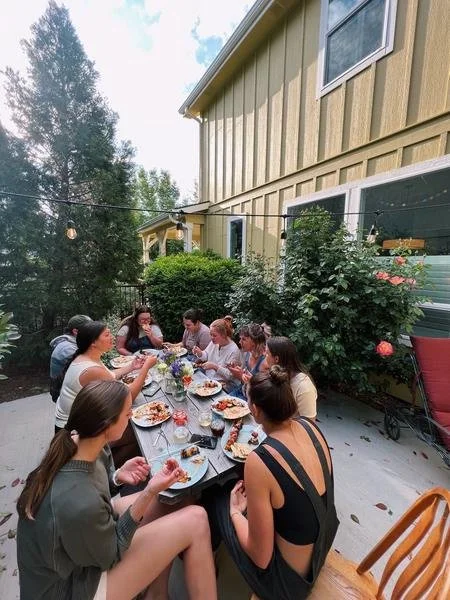
Source: Grace McCuistion | Dupe
Here's something I think we collectively overcomplicate: having people over.
We wait until the house is perfect. We plan menus we've never cooked before. We push the date out another two weeks because we want to have the right outdoor lighting, or a better cheese selection, or more time to stress about it. And then summer slips by and the gathering never happened and everyone's a little lonelier for it.
The truth is that people don't come to your home for a flawless experience. They come because you invited them. Because you made a space for them. Because being together, in person, around food and easy conversation, is one of the most genuinely nourishing things we can do for each other.
A systematic review published in Frontiers in Psychology found that the quality of friendship and frequency of socializing with friends are the two variables most strongly linked to overall wellbeing in adults. Not grand gestures. Not expensive plans. Just regular, real, in-person time with people you care about.
You don't need to host a dinner party. You just need to host a dinner. Here's exactly how.
Step 1: Decide on a Format Before You Do Anything Else
The single most helpful decision you can make before you start planning is picking a format. Because "having people over for summer" is vague enough to spiral into overwhelm, but "having six friends for a casual Friday dinner outside" is completely manageable.
A few formats that work beautifully in summer without requiring much effort:
A casual dinner. Four to eight people. A main dish, a simple salad, good bread, something cold to drink. That's the whole thing.
A late afternoon hang. People arrive around 4 p.m., you put out snacks and drinks, everyone leaves by 8. No formal dinner required.
A potluck. You make one thing you're confident about, everyone else brings something. This is genuinely the most sustainable recurring hosting format there is.
A drinks and charcuterie night. A well-assembled board, a few bottles of wine or sparkling water, some good music. Done.
Pick the format that feels least stressful given your space, your cooking confidence, and your energy. Then build everything else around that.
Step 2: Keep the Guest List Manageable
There's a sweet spot for easy, connected gatherings and it's usually somewhere between four and eight people. Small enough that everyone can be part of one conversation if they want to. Large enough that there's energy in the room.
Bigger gatherings require more food, more logistics, more noise management, and more hosting energy. They can be wonderful, but they're not simple. If simple is what you're going for, keep the list short.
Strong female friendships in particular thrive on smaller, more intimate settings, where real conversation can happen and people feel genuinely seen rather than shuffled through a crowd.
Invite the people you actually want to spend an evening with. Not everyone you feel obligated to see at once.
Step 3: Plan a Menu You Can Actually Execute
This is where most hosting anxiety lives, so let's deal with it directly. The goal is food that's genuinely good and requires you to not be stuck in the kitchen all night.
A few principles that make this easy:
Make one thing you've made before. This is not the night for a recipe you've never attempted. Save the experimentation for a Tuesday when no one is watching.
Lean into summer produce. A really good tomato salad with basil and good olive oil. Grilled corn. Stone fruit. Watermelon with feta and mint. Summer makes feeding people easy if you let it.
Do as much as possible the day before. Marinate the protein. Make the salad dressing. Prep the vegetables. Anything that can be done in advance should be. The day of the gathering should be finishing touches, not cooking from scratch.
Build in one store-bought shortcut. Good bread from a bakery. A beautiful dessert you didn't make. A cheese plate assembled from things you picked up that morning. One shortcut per gathering is not a failure. It's wisdom.
If you want a no-fail crowd-pleaser for summer entertaining, a well-assembled charcuterie board before dinner does triple duty: it gives people something to graze on when they arrive, it makes the table look abundant, and it requires zero cooking.
Step 4: Set Up Your Space the Night Before
Don't leave your environment setup for the day of. That's how you end up frantically rearranging furniture an hour before guests arrive.
The night before, do a quick walk-through and ask: does this space feel welcoming and easy? That doesn't mean perfect. It means clear surfaces, a place for people to sit comfortably, candles or good lighting ready to go, and music sorted.
A few simple touches that make a real difference:
Put fresh flowers or a small plant somewhere visible. A $10 farmers market bouquet on your table shifts the whole mood of a space. Light a candle when people arrive, not halfway through the evening. Set out your serving dishes and utensils before the day gets away from you. Think about where people will naturally gather and make sure that space feels inviting.
If you're hosting outside, keep it simple: a tablecloth or blanket, some kind of lighting (string lights, lanterns, or candles in holders), and something to keep bugs at bay. That's all you need.
Step 5: Sort the Drinks Situation Early
Drinks feel complicated until you decide they're not. A simple summer drinks setup that covers everyone: still and sparkling water, one or two bottles of wine or a pitcher of something, and a non-alcoholic option that's actually good (sparkling water with citrus and herbs is genuinely lovely and costs almost nothing).
Set it up where people can help themselves. A drinks station people can access without asking you means you're not playing bartender all evening, which means you can actually be present with your guests.
Make it look a little beautiful if you can: a simple tray, a few glasses, some ice in a bowl. It takes two minutes and it signals that you thought about them.
Step 6: Create an Atmosphere, Not Just a Meal
The food is a vehicle. The atmosphere is the actual thing.
Atmosphere is made of: music that's good but not distracting (a Spotify playlist you made or a station you trust is completely fine), lighting that's warm rather than harsh (turn off overhead lights and use lamps, candles, or string lights instead), and a pace that lets people actually settle in before you're rushing them to the table.
Don't start serving food the minute people arrive. Let them get a drink. Let them find each other. Give the evening ten or fifteen minutes to breathe before you move into dinner.
The gatherings people remember aren't the ones with the most impressive food. They're the ones where time seemed to slow down, the conversation went somewhere real, and everyone stayed later than they meant to.
Step 7: Be a Guest at Your Own Gathering
This is the one most people miss. You can't actually host well if you're so consumed by hosting logistics that you never get to be present with the people you invited.
The way to be present is to do the work in advance so that by the time your friends arrive, you're mostly done. Your prep is complete. Your space is ready. Your menu is planned and partially executed. The only thing left to do is show up and enjoy the people you love.
Put your phone down after people arrive. Sit at the table instead of hovering near the kitchen. Let the dishes wait. Be in the room.
The research on gathering and wellbeing is consistent: people who regularly gather with others in person experience significantly higher levels of positive emotion, meaning, and connection than those who don't. But that benefit applies to you too, not just your guests. Show up for your own evening.
Step 8: Make It a Recurring Thing
The best gatherings build into recurring rituals. And recurring rituals are where real friendship lives.
You don't have to reinvent the wheel every time. The same format, the same loose guest list, once a month or once every few weeks, is more valuable than an elaborate one-off event. The friendships that feel most alive are usually the ones with the most consistent, low-pressure contact, not the most impressive plans.
Tell your people: same time next month. Let it become the thing.
A Simple Summer Gathering Checklist
Here's the whole thing condensed into a checklist you can actually use:
One week before:
Decide format and guest list
Send invitations (a text is fine)
Plan your menu
Two days before:
Grocery shop
Prep anything that can be made ahead
The day before:
Set up your space
Sort the drinks station
Marinate, prep, and pre-cook where possible
Make your playlist
Day of:
Finish cooking
Set the table
Light candles when guests arrive
Put your phone away and enjoy your people
Summer is made for exactly this. For open doors and warm evenings and the particular kind of conversation that only happens when people are sitting somewhere comfortable with nowhere to be.
You don't need a perfect home or an impressive menu or more time to prepare. You just need to send the invitation.
